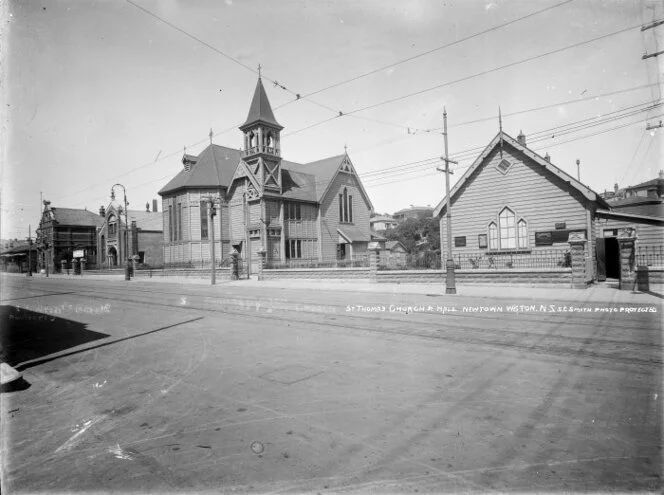
A Century Of Mission & Ministry in Brooklyn
St Matthew’s Church, Brooklyn traces its origins to the late nineteenth century as the suburb of Brooklyn developed from farmland into a growing Wellington community. The first Anglican services were held in 1896 in a rented hall on Ohiro Road, served by clergy from St Peter’s Church in the city. A temporary hall was erected on Washington Avenue in 1897, and a Sunday School was formally established soon after, quickly becoming a central part of parish life.
In 1900, a larger and more permanent building, known as St Luke’s Sunday School Hall, was opened. Designed as a flexible space, it was used for worship, education, social gatherings, concerts, and clubs. Continued growth led to the construction of a permanent timber church in 1909, when Brooklyn became a separate Parochial District and adopted the name St Matthew’s. Part of the earlier hall was incorporated into the new building. Under its first vicar, Rev Richard H. Hobday, the parish expanded rapidly, and a vicarage was completed in 1911.
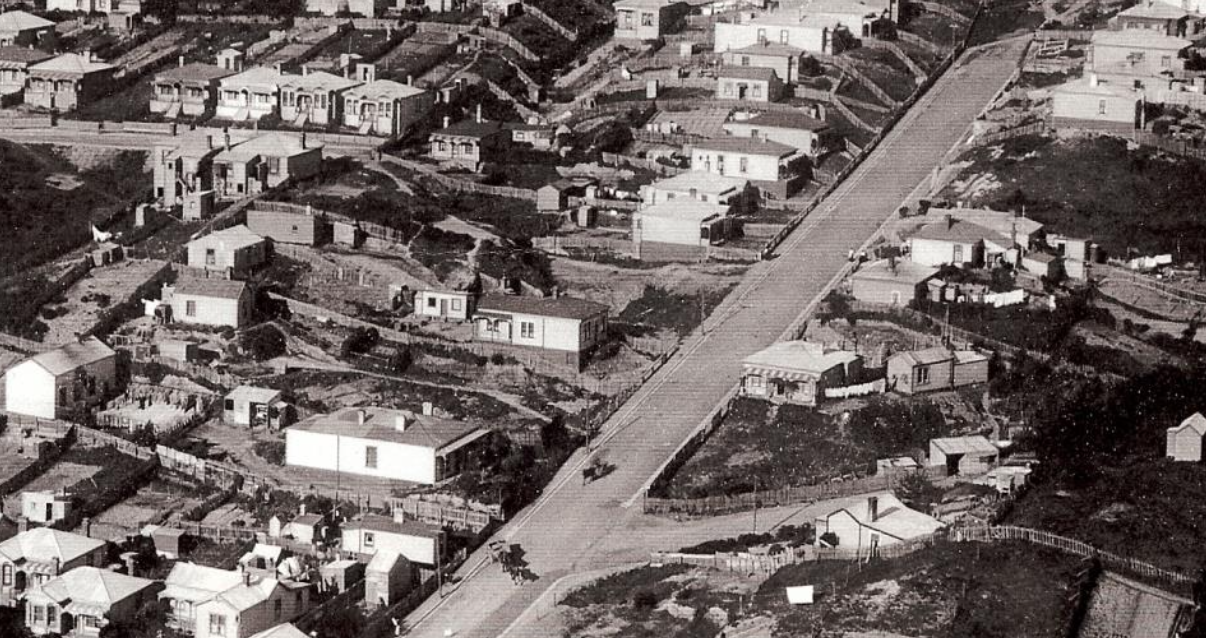
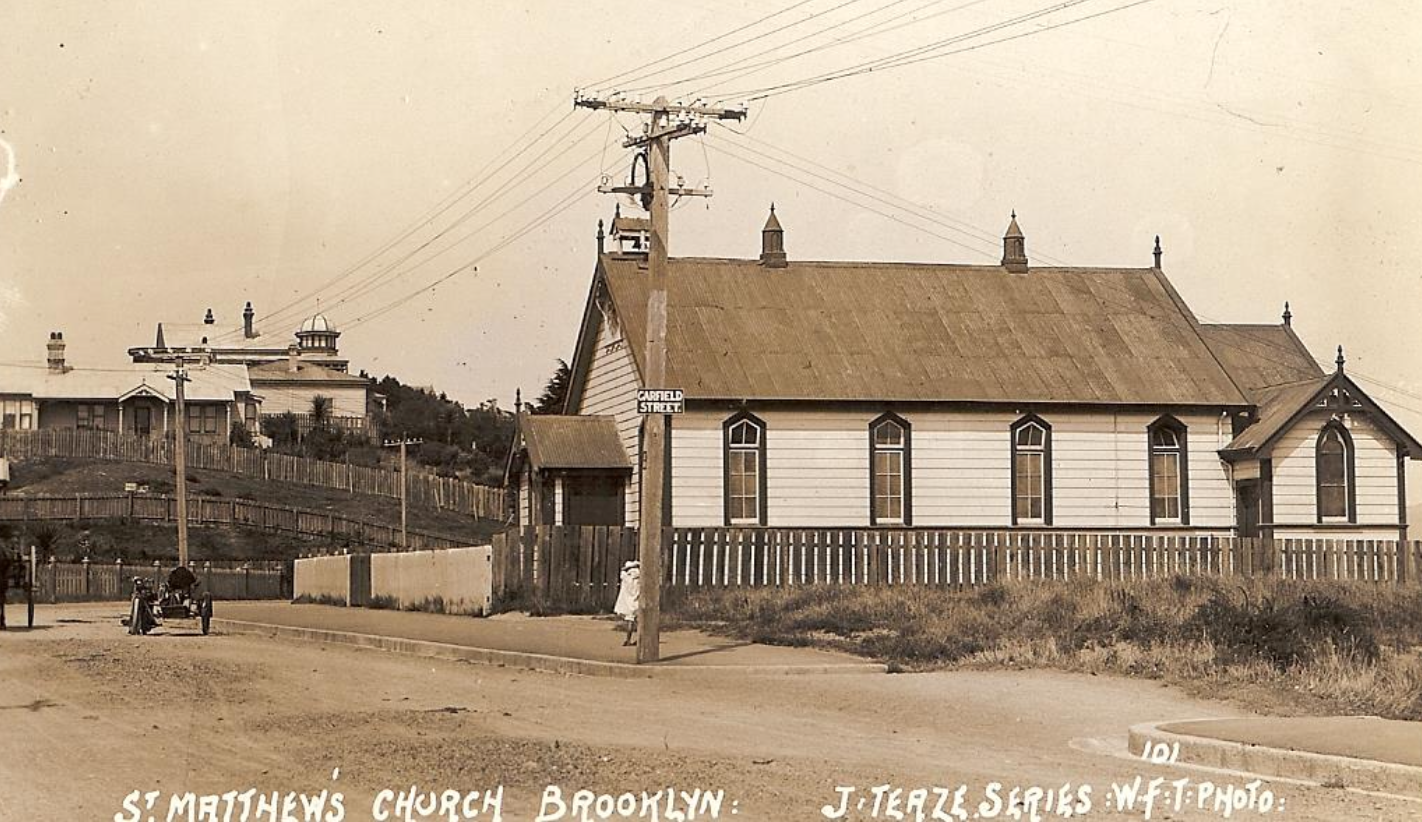
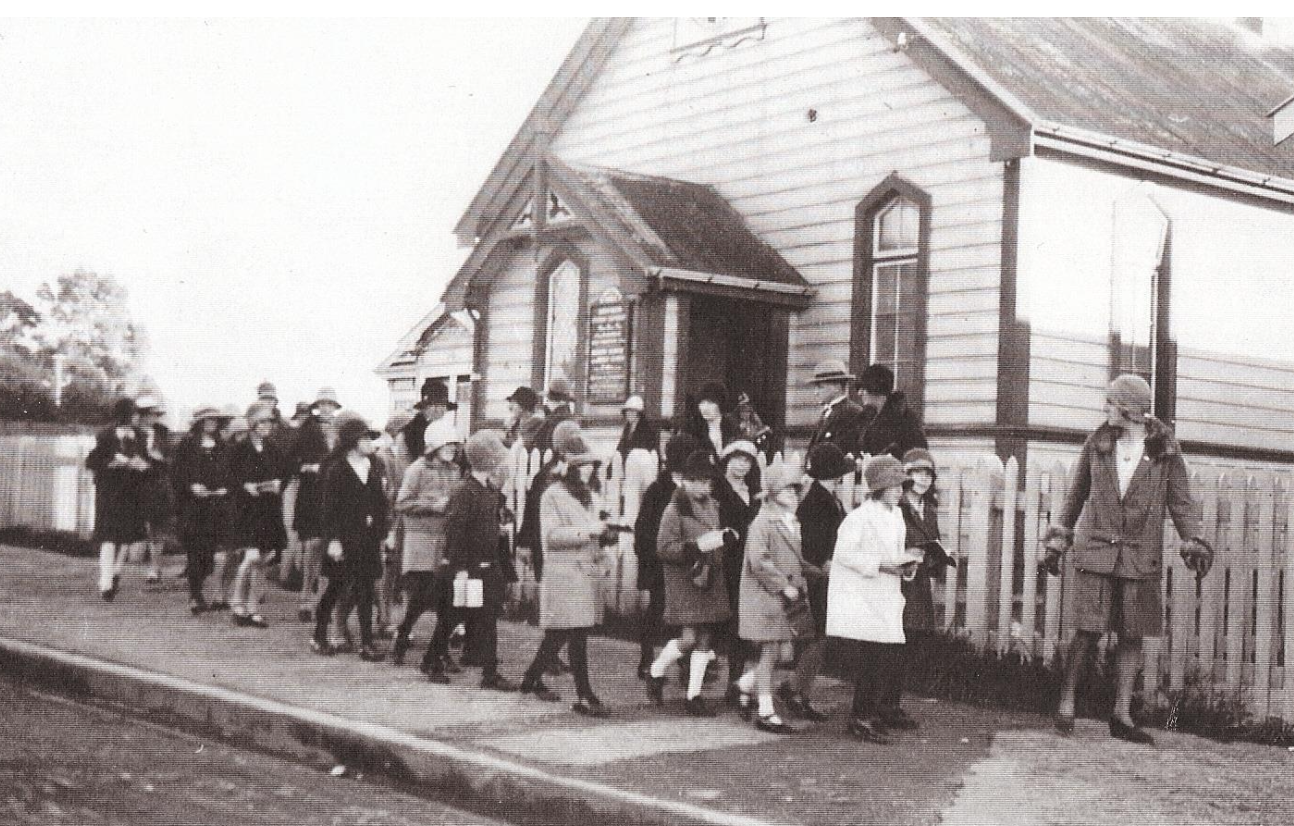
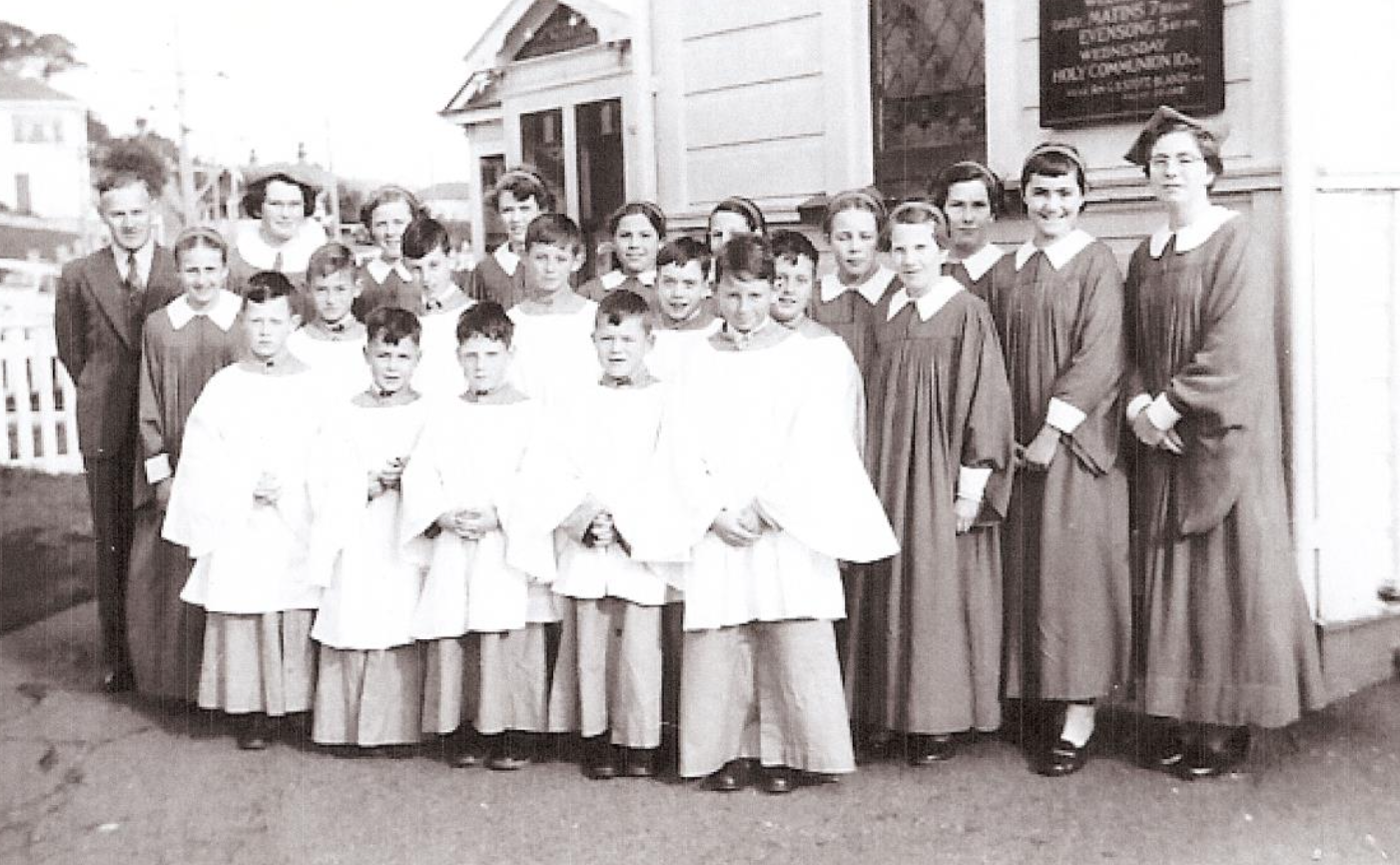
During the early decades of the twentieth century, St Matthew’s became deeply embedded in the everyday life of the neighbourhood. Sunday School numbers were enormous, with multiple classes often spread across the church, halls, and borrowed classrooms at Brooklyn School. At its peak, well over a hundred children attended weekly.
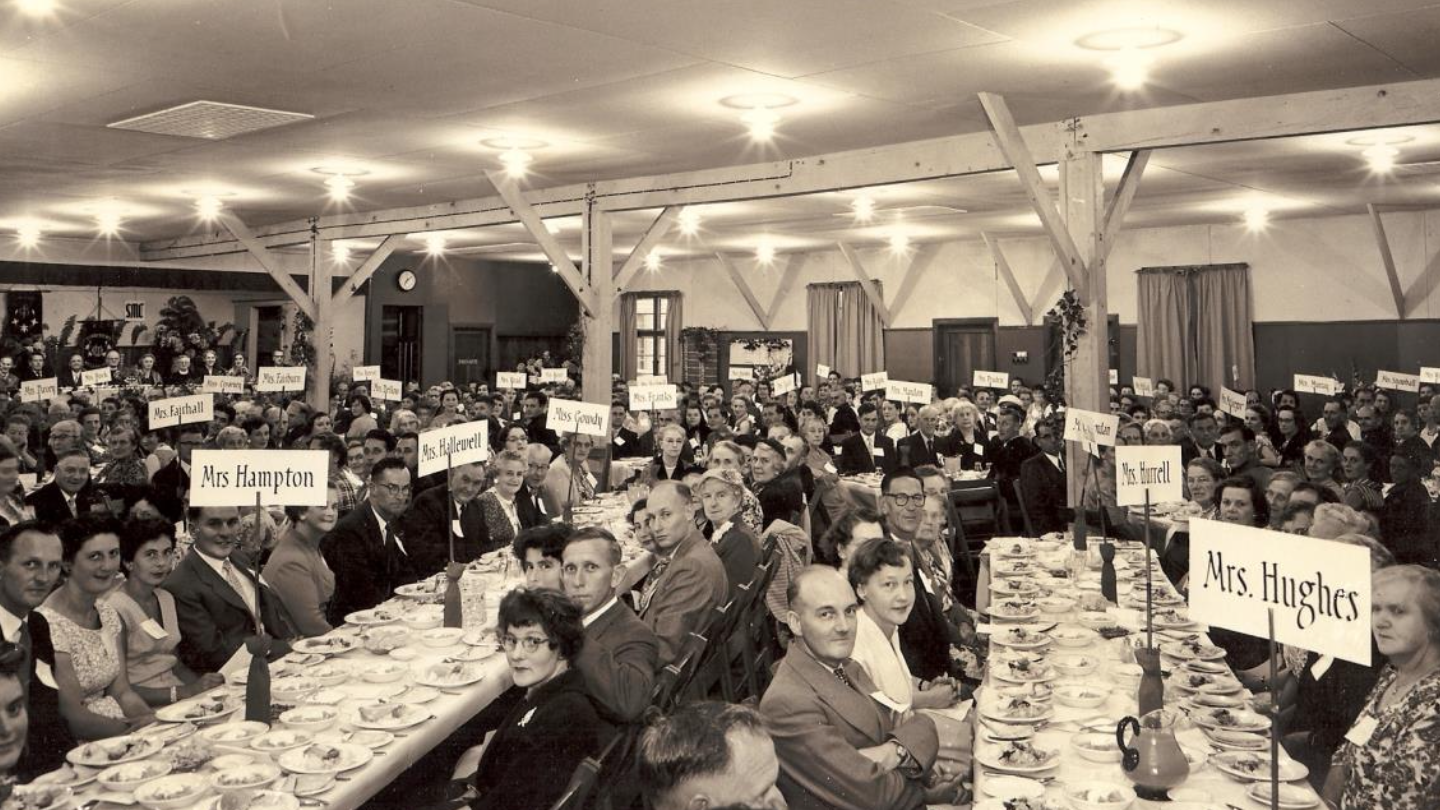
In 1909, parishioner John Styche founded the Brooklyn Scout Group in response to a lack of organised activities for boys. Supported by the parish and figures such as Walter Nash—later Prime Minister—the Scouts quickly became a community-wide institution. St Matthew’s also gave rise to sporting and recreational groups, including the Brooklyn Harrier Club, which used the church as its base for many years, and the St Matthew’s Table Tennis Club, established in 1920. Women’s organisations, particularly the Sewing Guild (later the Brooklyn Ladies Working Party), provided clothing, mutual aid, and organised major community events such as annual “Sales of Work” and fairs.
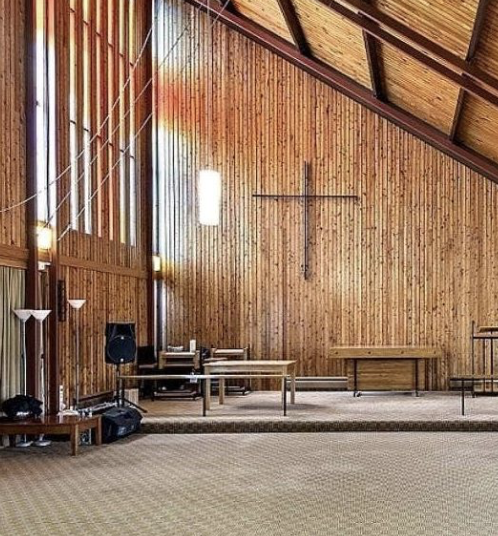
To support this breadth of activity, a large parish hall was built in 1920, using a relocated army hut from Featherston Camp. As social conditions changed, the parish continued to adapt, entering into ecumenical partnership in the later twentieth century. A joint-use church opened on Ohiro Road in 1970, and in 1982 St Matthew’s helped establish the Brooklyn Resource Centre, reflecting a renewed focus on social support and community wellbeing.
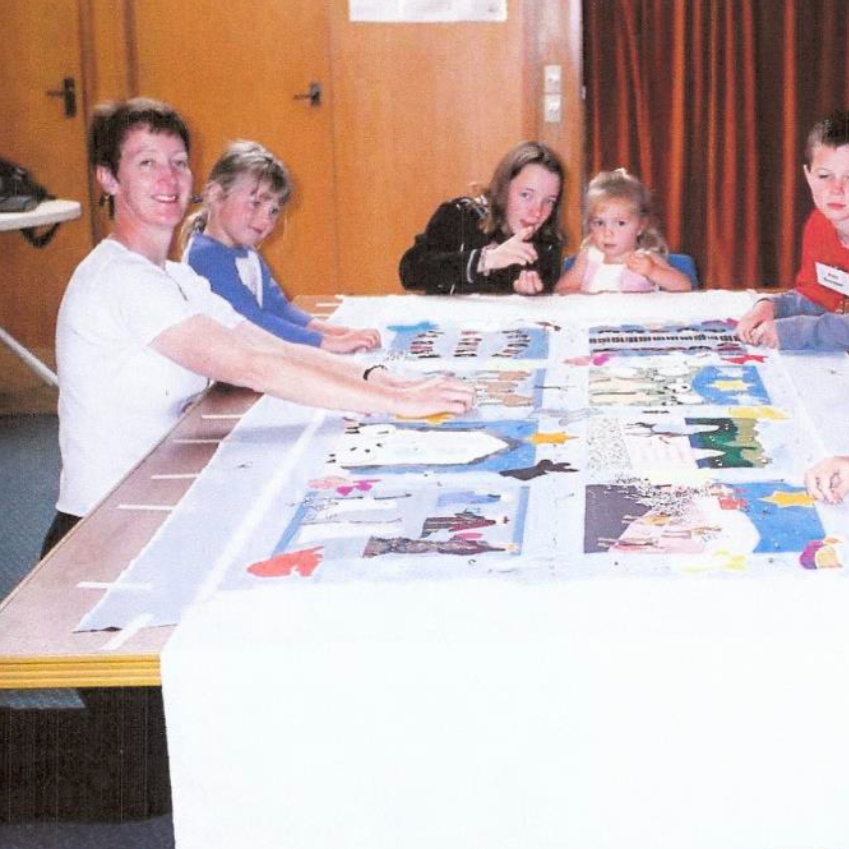
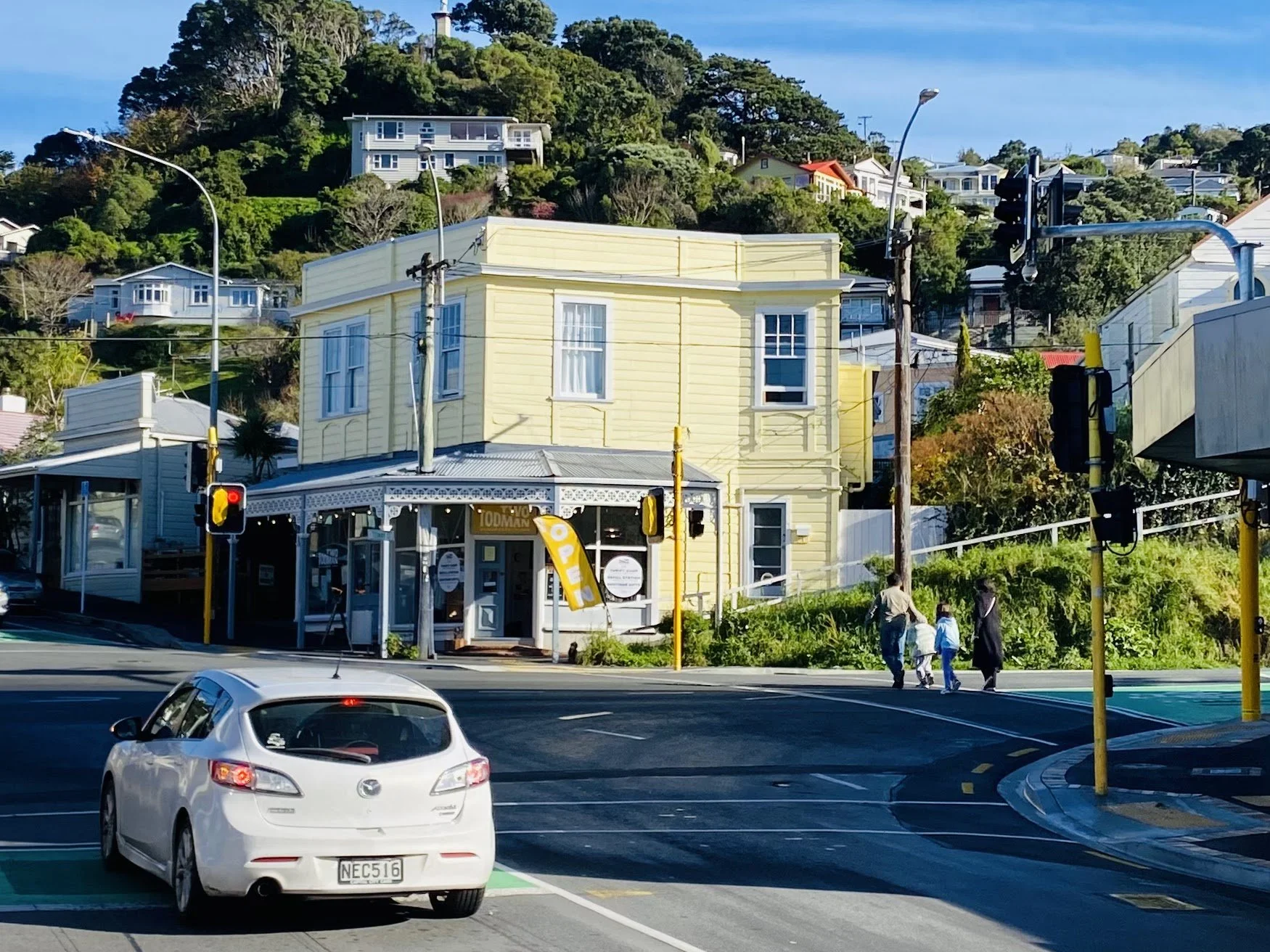
In 2020, after several years of dormancy following the parish’s closure in 2016, a small team began to rebuild an Anglican presence in Brooklyn under the name Brooklyn Anglicans. Rather than starting something new, this work has felt like a rediscovery of St Matthew’s long vocation of neighbour-centred presence: hospitality, shared space, community connection, and creative partnership. Central to this has been the purchase of Two Todman Neighbours’ Place
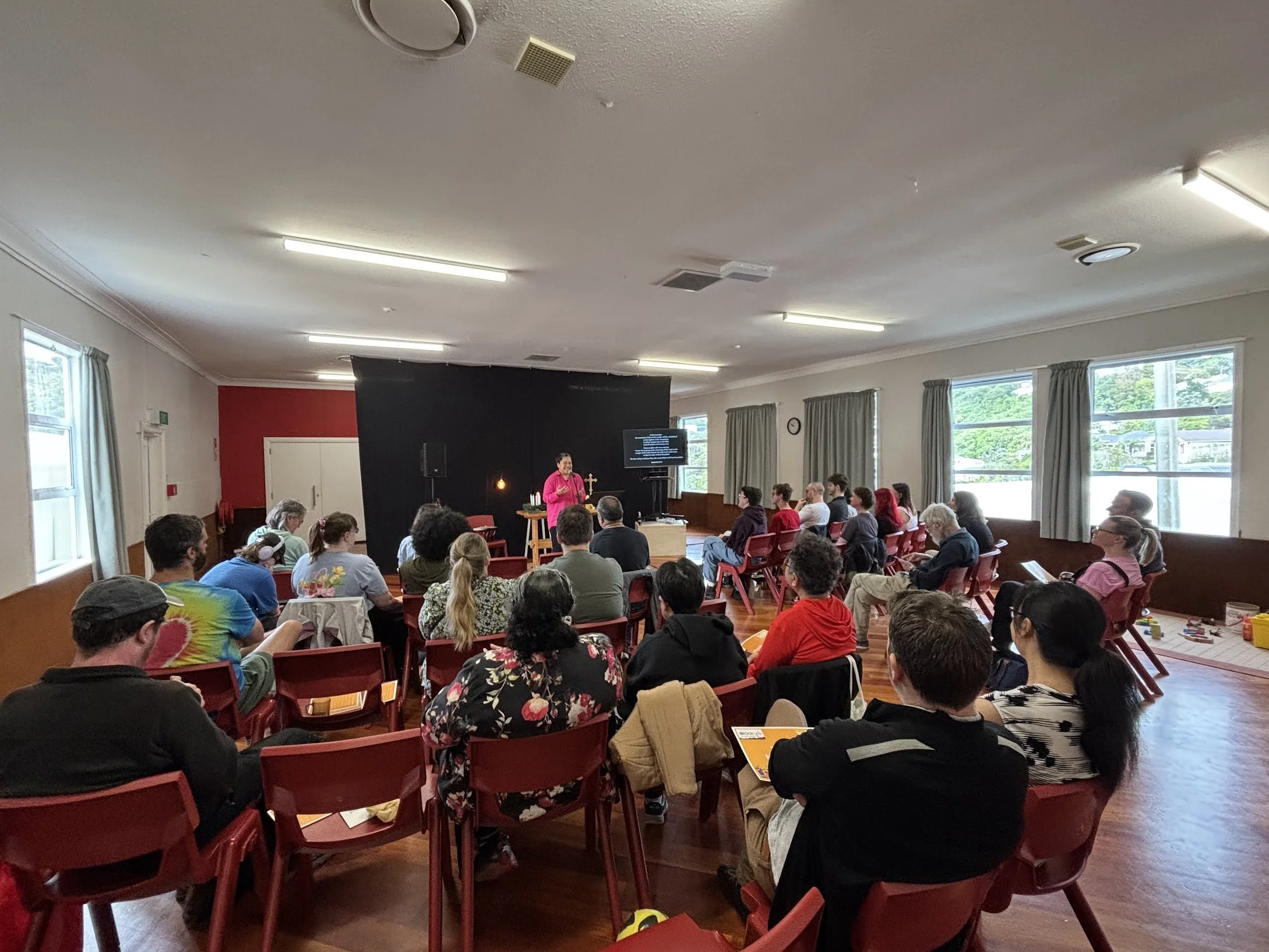
Two Todman is both a physical and symbolic continuation of the parish’s legacy. Like the flexible halls of the early twentieth century, it houses multiple community functions — a chapel for worship and prayer, co-working spaces, a boutique thrift shop, a community gallery, event spaces, and a place for neighbours to meet and belong. Income from the op-shop supports grassroots neighbourhood initiatives while the chapel hosts regular gatherings that are open to everyone. In this sense, Two Todman is less a “church building” and more a neighbourhood commons, where the rhythms of everyday life — work, conversation, care, play — intersect with attention to spiritual formation and community wellbeing.
Across more than a century, St Matthew’s story — from Washington Avenue halls to Two Todman Neighbours’ Place — has been marked by adaptability, deep local engagement, and a consistent conviction that church is made not by walls, but by people joining in the life of their neighbourhood.tory of our Parish